SUVs are built to carry more weight than many smaller cars. They sit higher, have larger bodies, and often handle passengers, cargo, roof racks, towing, and rougher road use. That strength is part of the appeal, but it also means the suspension, steering, and tires work hard every mile.
Extra weight does not automatically mean an SUV will have problems early. These vehicles are designed for their size. Still, weight changes how parts wear, how tires contact the road, and how the vehicle responds when braking, turning, or hitting bumps. As mileage goes up, those effects become easier to notice.
Why SUV Weight Changes Suspension Wear
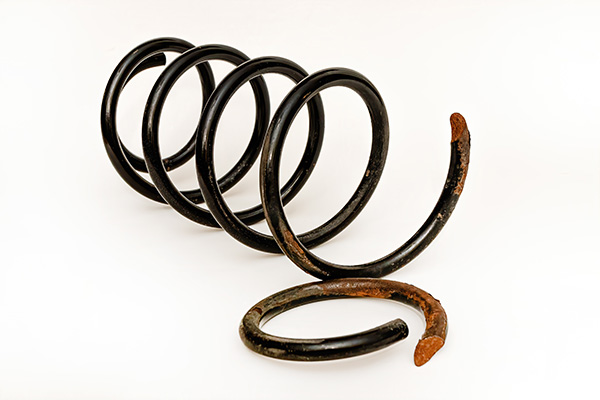
The suspension supports the vehicle and controls movement over the road. Shocks, struts, springs, control arms, bushings, ball joints, sway bar links, and mounts all help keep the tires in contact with the pavement.
A heavier vehicle puts more load through those parts. Every pothole, speed bump, driveway entrance, and hard stop sends force through the suspension. Over time, rubber bushings can crack, shocks can weaken, and joints can loosen.
The change is often gradual. The SUV may start to feel floaty, noisy, or less controlled without one part failing all at once. That is why drivers sometimes do not notice suspension wear until the tires start wearing badly or clunks become obvious.
Steering Parts Work Harder Too
SUV steering systems handle more mass than those of a smaller car, especially during low-speed turns, parking maneuvers, and tight city driving. Tie rods, steering racks, ball joints, control arm bushings, wheel bearings, and alignment angles all affect how the vehicle tracks and responds.
When steering parts wear, the SUV may feel loose, wander on the highway, pull to one side, or require more driver correction. A steering wheel that no longer feels centered can also point toward alignment or suspension changes.
Extra weight makes small steering problems feel worse because the vehicle has more body movement and more tire contact area to manage. If the steering starts feeling vague or unstable, it should be checked before the tires pay the price.
Tires Carry The Evidence
Tires often show the first visible signs of SUV wear. Since they carry the vehicle’s weight, handle braking, absorb road impact, and respond to steering input, they reveal alignment and suspension problems quickly.
Uneven tread wear can show up as inner-edge wear, outer-edge wear, cupping, feathering, or one tire wearing faster than the others. A heavy SUV with worn shocks or poor alignment can damage tires faster than many drivers expect.
Tire pressure is also important. Underinflated tires flex more and build heat. Overinflated tires may wear the center tread faster and reduce contact with the road. The correct pressure helps the tire carry the SUV properly without unnecessary wear.
Braking And Cornering Add More Stress
Weight shifts during braking and turning. When you stop, the front suspension takes more load as the vehicle’s weight moves forward. When you turn, weight shifts side to side. SUV height can make those changes feel more noticeable.
Weak shocks or struts may allow the front end to dive during braking or the body to lean more in turns. Worn bushings may let the wheels shift slightly under load. Those changes can affect steering feel, tire wear, and the SUV's stability during everyday driving.
An SUV does not need to feel unsafe before there is a problem. Small changes in control, noise, or tire wear are enough reason for an inspection.
Cargo, Towing, And Larger Wheels Can Speed Up Wear
How the SUV is used makes a big difference. Carrying passengers and cargo is normal, but repeated heavy loads can shorten the life of suspension and tire components. Towing can add even more stress, especially if weight distribution is poor or the vehicle is already due for service.
Larger aftermarket wheels can also affect ride and wear. If the tire sidewall is shorter, there is less rubber to absorb impacts. That can make potholes harder on wheels, tires, and suspension parts.
Watch for clues such as:
- Rear end sagging under load
- More bouncing after bumps
- Tires wearing unevenly
- Steering wheel vibration
- Clunks when loaded
- SUV pulling after towing
- Brake vibration during stops
These signs can point to suspension, tire, brake, alignment, or steering concerns.
Alignment Matters More As Wear Builds
Wheel alignment controls how the tires meet the road. On an SUV, poor alignment can be expensive because tires are often larger and cost more to replace. If the alignment is off, the tires may scrub instead of rolling cleanly.
Worn suspension parts can keep an SUV from maintaining proper alignment. That means an alignment should not be treated as a standalone fix if parts are loose or worn. The steering and suspension should be checked first, then the alignment can be adjusted on a solid foundation.
Regular maintenance helps catch tread wear, tire pressure problems, weak shocks, worn bushings, and steering looseness before the SUV becomes harder to control or starts damaging tires.
Get SUV Suspension Service In Bexley, OH, With Bexley Automotive
If your SUV clunks, pulls, bounces, wears tires unevenly, or feels less stable than it used to, Bexley Automotive in Bexley, OH, can check the suspension, steering, tires, and alignment to find the cause.
For SUV suspension service before extra weight turns small wear into larger repairs, contact us to schedule an appointment.