Posted on 7/31/2026
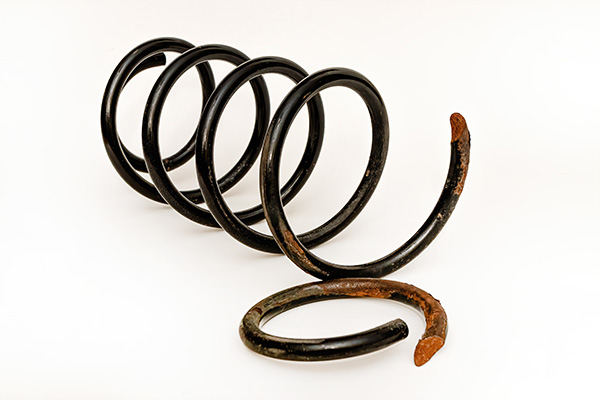
SUVs are built to carry more weight than many smaller cars. They sit higher, have larger bodies, and often handle passengers, cargo, roof racks, towing, and rougher road use. That strength is part of the appeal, but it also means the suspension, steering, and tires work hard every mile. Extra weight does not automatically mean an SUV will have problems early. These vehicles are designed for their size. Still, weight changes how parts wear, how tires contact the road, and how the vehicle responds when braking, turning, or hitting bumps. As mileage goes up, those effects become easier to notice. Why SUV Weight Changes Suspension Wear The suspension supports the vehicle and controls movement over the road. Shocks, struts, springs, control arms, bushings, ball joints, sway bar links, and mounts all help keep the tires in contact with the pavement. A heavier vehicle puts more load through those parts. Every pothole, speed bump, driveway entrance, and hard stop sends for ... read more