Posted on 8/28/2026
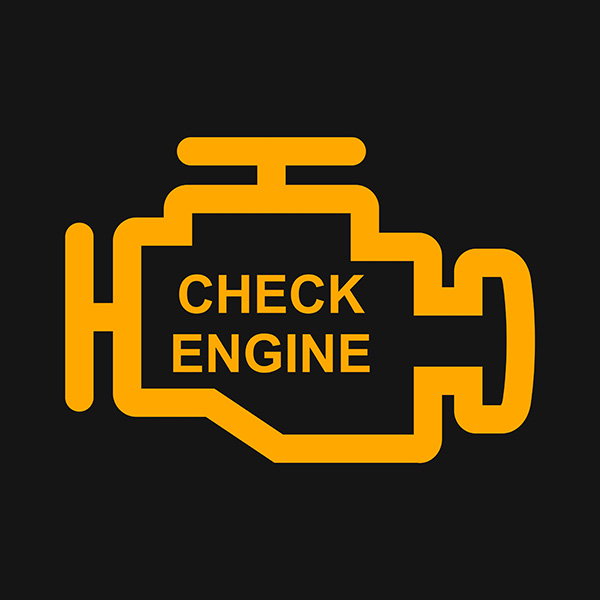
Yes, a loose, cracked, or incorrectly sealed gas cap can trigger the check engine warning light. The fuel cap is part of the evaporative emissions control system, commonly called the EVAP system. That system prevents gasoline vapors from escaping into the atmosphere and directs them back into the engine to be burned. When the vehicle tests the EVAP system and detects that it cannot hold the expected pressure or vacuum, the engine computer stores a fault code and may turn on the warning light. A loose gas cap is one possible cause, but it is not the only one. Hoses, valves, seals, sensors, and the fuel tank can produce the same type of leak. How The Gas Cap Seals The Fuel System The gas cap closes the fuel filler neck and seals fuel vapors inside the EVAP system. Most caps use a rubber gasket that presses against the filler neck when the cap is tightened. Some modern vehicles use a capless filler system with spring-loaded internal doors instead of a removable cap. D ... read more
Posted on 7/31/2026
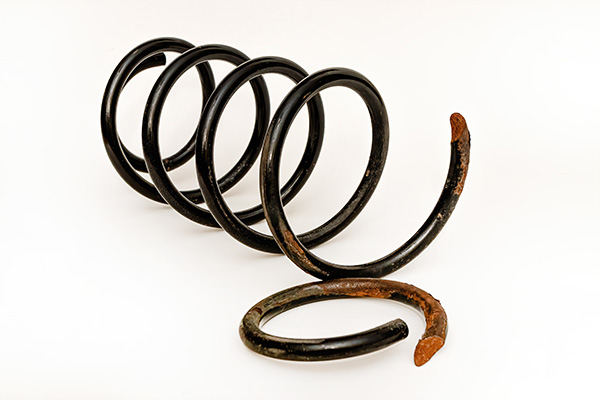
SUVs are built to carry more weight than many smaller cars. They sit higher, have larger bodies, and often handle passengers, cargo, roof racks, towing, and rougher road use. That strength is part of the appeal, but it also means the suspension, steering, and tires work hard every mile. Extra weight does not automatically mean an SUV will have problems early. These vehicles are designed for their size. Still, weight changes how parts wear, how tires contact the road, and how the vehicle responds when braking, turning, or hitting bumps. As mileage goes up, those effects become easier to notice. Why SUV Weight Changes Suspension Wear The suspension supports the vehicle and controls movement over the road. Shocks, struts, springs, control arms, bushings, ball joints, sway bar links, and mounts all help keep the tires in contact with the pavement. A heavier vehicle puts more load through those parts. Every pothole, speed bump, driveway entrance, and hard stop sends for ... read more
Posted on 6/26/2026
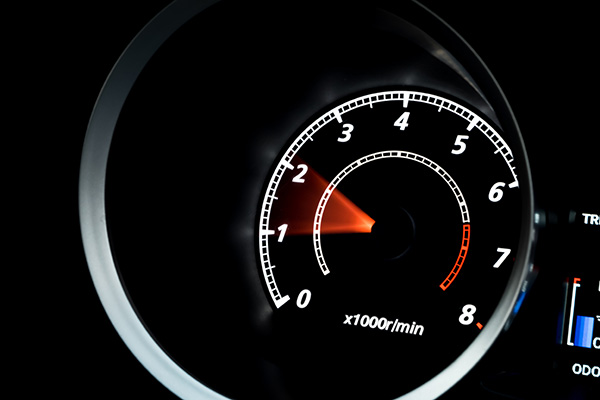
A rough idle can make a car feel unsettled even when it is still driving. You stop at a light, and the engine shakes a little. The RPM needle moves around. The steering wheel or seat vibrates more than it used to. Then the car seems better once you start moving again. That kind of symptom is easy to downplay, but it usually means the engine is not firing as cleanly as it should. A rough idle can come from several places, and an engine misfire is one of the big ones. A proper car tune-up can help when worn service parts are part of the problem, but the cause still needs to be confirmed. What A Rough Idle Is Telling You An engine should idle at a steady speed with each cylinder contributing evenly. When one cylinder is weak, late, rich, lean, or not firing correctly, the engine loses that balanced feel. That is when you start feeling shaking, stumbling, or uneven RPM at a stop. A rough idle can be mild at first. Some drivers notice it only after startup, with the A/C ... read more
Posted on 5/29/2026

A weekend camping trip sounds simple enough. Load the gear, pick a campsite, grab food, and head out. The part drivers sometimes overlook is how much extra strain a short trip can place on an SUV, especially when it's carrying passengers, cargo, coolers, bikes, tents, and supplies. A little preparation before you leave can make the whole trip easier. It helps you avoid roadside stress, protects the vehicle, and gives you more confidence when driving away from your normal daily routine. Know What Your SUV Is Carrying Before You Leave SUVs are practical, but they still have limits. Before packing everything in, take a moment to consider weight. Camping gear adds up quickly, especially when you include water, firewood, tools, food, pets, and roof-mounted cargo. Too much weight can affect braking, steering, suspension travel, and fuel economy. If you are using a roof rack or cargo box, make sure it is installed correctly and loaded within its rating. Heavy items sh ... read more
Posted on 4/30/2026
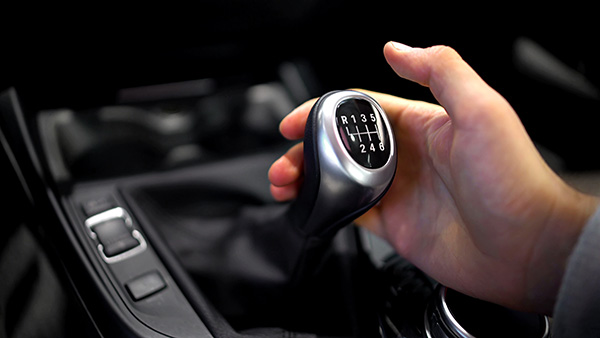
A gear shifter should feel clean and predictable. You move it, the car responds, and nothing about that motion stands out. When it starts feeling stiff, delayed, rough, or awkward between positions, drivers notice right away because it changes something basic about using the car. That kind of shift problem does not always mean the transmission is failing, but it does mean part of the system is no longer moving the way it should. Why A Shifter Starts Feeling Rough The shifter depends on several parts working together. The lever itself has to move freely. The brake interlock has to release when you press the pedal. The shift cable or linkage has to transfer that movement, and the transmission side has to accept it cleanly. Once one piece starts sticking, binding, or falling out of adjustment, the whole motion changes. That is why a hard or rough shifter can come from more than one place. The driver feels one symptom, but the cause can be in the console, under the veh ... read more