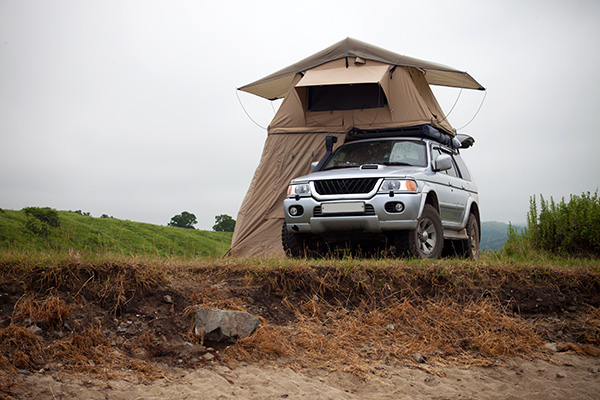
A weekend camping trip sounds simple enough. Load the gear, pick a campsite, grab food, and head out. The part drivers sometimes overlook is how much extra strain a short trip can place on an SUV, especially when it's carrying passengers, cargo, coolers, bikes, tents, and supplies.
A little preparation before you leave can make the whole trip easier. It helps you avoid roadside stress, protects the vehicle, and gives you more confidence when driving away from your normal daily routine.
Know What Your SUV Is Carrying Before You Leave
SUVs are practical, but they still have limits. Before packing everything in, take a moment to consider weight. Camping gear adds up quickly, especially when you include water, firewood, tools, food, pets, and roof-mounted cargo.
Too much weight can affect braking, steering, suspension travel, and fuel economy. If you are using a roof rack or cargo box, make sure it is installed correctly and loaded within its rating. Heavy items should be placed low and securely inside the vehicle so they do not shift during sudden stops or rough roads.
Check Tire Pressure and Tread Condition
Tires are one of the most important things to check before a camping trip. Low tire pressure can create extra heat, reduce fuel efficiency, and make the SUV feel less stable when loaded. Tire pressure should be checked when the tires are cold and adjusted based on the vehicle’s recommended settings.
Tread condition matters too, especially if the trip includes gravel roads, wet pavement, or uneven campground access roads. Look for uneven wear, cracks, bulges, or anything stuck in the tread. A tire that seems fine around town can become a problem when the vehicle is heavier and the roads are less forgiving.
Make Sure Brakes Are Ready for the Extra Load
An SUV loaded for camping takes more effort to stop. If the brake pads are already worn or the rotors are vibrating, the added weight can make those problems more noticeable. Long downhill roads near campgrounds can also build extra heat in the braking system.
Pay attention to squealing, grinding, shaking, or a pedal that feels different than normal. Brake issues should be checked before the trip, not after the first mountain road or sudden stop. A brake inspection can confirm whether the system is ready for the added weight and driving conditions.
Inspect Fluids, Battery, and Belts
Weekend trips can expose small problems that daily driving hides. Engine oil, coolant, brake fluid, and windshield washer fluid should all be checked before leaving. Coolant is especially important if the drive includes warmer weather, traffic, hills, or long idle periods.
The battery deserves attention as well. Camping trips sometimes mean more door openings, phone charging, lights, or accessories while the vehicle is parked. A weak battery can leave you stuck at the campsite instead of heading home on schedule. Belts and hoses should also be checked for cracks, leaks, or wear as part of regular maintenance.
Prepare for Gravel Roads and Campground Driving
Not every campsite has clean pavement and level parking. Gravel roads, dirt paths, soft ground, and uneven entrances can all put extra stress on tires, suspension, and underbody components. Even if your SUV has all-wheel drive or four-wheel drive, it still needs good tires and careful driving.
Slow down on rough roads and avoid deep ruts when possible. If you hear clunks, scraping, or feel the vehicle pulling after driving through rough areas, do not ignore it. Suspension and alignment problems can show up after a single hard impact or a poorly placed rock.
Pack Safety Gear That Makes Sense
Good camping prep is not only about the vehicle. A small safety kit can make a frustrating situation much easier to handle. You do not need to overpack, but a few essentials should be in the SUV before leaving.
Useful items include a tire pressure gauge, jumper cables or a jump pack, flashlight, first-aid kit, basic tools, phone charger, water, and a roadside emergency kit. Secure these items so they do not slide around while driving. Loose gear can become a distraction or hazard during hard braking.
Keep Visibility and Comfort in Mind
Camping trips often involve early mornings, late returns, and changing weather. Clear visibility makes a big difference. Check wiper blades, washer fluid, headlights, brake lights, and turn signals before leaving. Weak lighting or worn wipers can make a simple drive more stressful if rain or darkness catches you on the road.
Cabin comfort also affects the trip. A clogged cabin air filter or weak A/C can make the ride less pleasant, especially with passengers and gear packed inside. If airflow has been weak or the system has smelled musty, it is worth checking before a longer drive.
Get SUV Trip Preparation In Bexley, OH, With Bexley Automotive
If your SUV is getting ready for a weekend camping trip, Bexley Automotive in Bexley, OH, can check the tires, brakes, fluids, battery, lights, and key systems before you load up and head out.
Call today to schedule your appointment and leave for your trip knowing your SUV has been inspected by a team that understands what weekend travel puts a vehicle through.