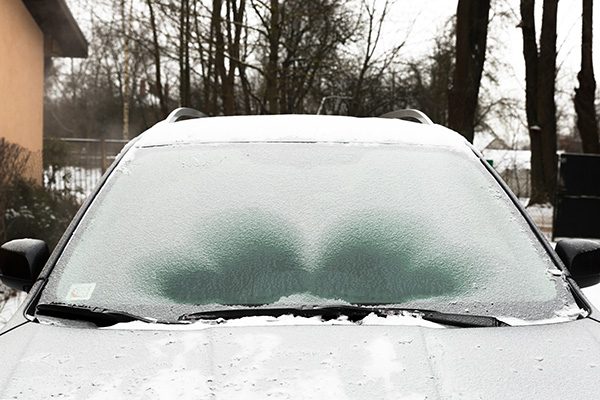
Cold Ohio mornings have a way of exposing heater and defroster problems quickly. A system that seemed fine during mild weather can suddenly take too long to warm the cabin, leave the windshield fogged, or blow air that never gets properly hot.
We like checking these systems before winter because poor heat is more than a comfort issue. The defroster depends on good airflow, proper engine temperature, working air conditioning, and enough heat to clear moisture from the glass. If one part is weak, visibility can suffer when you need it most.
Make Sure the Engine Reaches Normal Operating Temperature
Your heater gets its warmth from engine coolant. If the engine never reaches the temperature it was designed to run at, the air coming from the vents can stay lukewarm.
A thermostat stuck open is one common reason. The engine warms too slowly, especially during highway driving in cold weather, and cabin heat stays weak. At our shop, we compare coolant temperature with what the engine should be doing instead of assuming the heater core is automatically the problem.
Check Whether the Heat Is Strong at All Vent Speeds
A healthy heater should produce warm air whether the blower is on low or high. If the air is hot on one setting but weak or barely moving on another, the problem can be with the blower motor, resistor, control module, or airflow restriction.
A clogged cabin air filter can also cut airflow enough to make the heater feel weak even when the coolant is hot. During an inspection, we check both temperature and airflow because those two symptoms point us in different directions.
Test the Defroster Before the Windshield Fogs Up
The front defroster should direct strong airflow toward the windshield and clear moisture without taking forever. If the air barely reaches the glass, stays cold, or keeps leaving a hazy film, the system is not ready for a cold morning.
The A/C system also plays a role in defrosting because it removes moisture from the air. That means a vehicle can have working heat and still clear the windshield poorly if the A/C system isn't operating correctly. We test the full defrost function instead of only checking whether hot air comes from the vents.
Watch for a Sweet Smell or Film on the Glass
A sweet smell inside the cabin can point toward a coolant leak, especially when it appears together with poor heat or a greasy film on the windshield.
A leaking heater core is one possibility. Coolant can enter the HVAC case, create odor, reduce the coolant level, and fog the glass in a way that ordinary moisture does not. If the windshield keeps developing an oily haze or the passenger-side carpet is damp, that deserves a closer look before colder weather arrives.
Low Coolant Can Reduce Heater Performance
The heater core depends on a steady supply of hot coolant. If the cooling system is low, heater performance can drop before the engine actually overheats.
We check the coolant level and then look for the reason it changed. Common areas include hoses, the radiator, water pump, thermostat housing, and fittings around the engine. Regular maintenance helps us catch small leaks early instead of simply topping off the reservoir every few weeks.
Common clues include:
- Heat that comes and goes
- Coolant level dropping repeatedly
- Sweet smell inside the cabin
- Temperature gauge moving higher than normal
- Weak heat at idle
- Gurgling behind the dashboard
Those symptoms tell us the cooling system deserves more attention than a simple heater adjustment.
Make Sure the Rear Defroster Works Too
Rear-window defrosters are easy to forget until the glass is covered in condensation or frost. The thin heating grids built into the glass need to warm evenly across the window.
If part of the rear glass stays fogged while the rest clears, one or more grid lines can be damaged. A failed relay, fuse, wiring connection, or switch can also stop the system completely. We test it before cold mornings become routine so you are not trying to drive with a blocked rear view.
Pay Attention to Noises From the Dashboard
Clicking, tapping, or repeated movement behind the dashboard can point toward a blend door or actuator problem. Those doors control where air goes and how much of it passes through the heater core.
If an actuator sticks, you might get hot air on one side and cold air on the other, or the system might refuse to switch into defrost mode. We listen to when the noise happens and watch how the vent temperature changes before deciding which actuator or door is causing the problem.
Get Heater And Defroster Service In Bexley, OH, With Bexley Automotive
If your heater is slow to warm up, the windshield takes too long to clear, or the defroster is not directing enough air where it should, Bexley Automotive in Bexley, OH, can inspect the cooling system, HVAC controls, cabin filter, blower, and defrost operation.
Schedule a heater and defroster inspection before the next cold Ohio morning leaves you waiting for clear glass in the driveway.