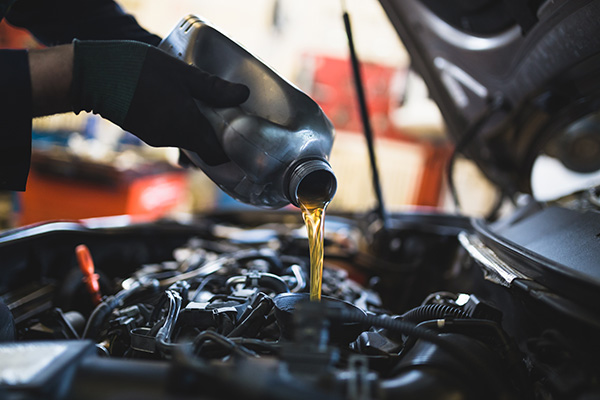
If you have driven your vehicle for many years, you may notice the oil level drops between services more than it used to. There might not be any obvious leaks on the ground, and the engine can still run smoothly, yet you find yourself adding a quart here and there. That extra oil use is common as engines age, but it is still worth understanding and watching.
Knowing why it happens helps you decide what is normal for a high-mileage engine and when it is time to have things checked.
Why Oil Consumption Shows Up as Engines Age
Inside an engine, oil has a tough job. It has to lubricate moving parts, carry away heat, and deal with small amounts of fuel and combustion byproducts. Over tens of thousands of miles, metal surfaces wear slightly and seals harden. Clearances open up just enough to let more oil slip past rings and valve seals than when the engine was new.
At the same time, years of hot and cold cycles slowly age gaskets and external seals. A little bit of seepage that did not matter at 60,000 miles can turn into a noticeable leak by 150,000 miles. None of this means the engine is done, but it does explain why topping off between changes often becomes part of the routine on a higher mileage vehicle.
Where The Oil Actually Goes in a High-Mileage Engine
When an engine uses more oil, it is usually going to one or more of these places:
- Past piston rings into the combustion chambers, where it burns with the fuel
- Past valve stem seals and guides at the top of the engine
- Out through external gaskets and seals onto the engine block or underside
- Into the PCV system, where extra vapors get pulled back into the intake
- Onto hot exhaust components if leaks are higher up, creating a burning smell
Sometimes you see blue smoke from the tailpipe, sometimes you smell oil, and other times the only clue is a dropping dipstick level. That is why a good inspection matters if the rate of use suddenly changes.
Piston Rings, Cylinder Walls, and Blow-By
Piston rings are supposed to seal the gap between the piston and cylinder wall while still sliding freely. Over time, both the rings and cylinder walls wear. Carbon can also build up in the ring grooves, which keeps the rings from sealing properly. When that happens, a small amount of oil gets pulled into the combustion chamber on each stroke.
You may notice light blue smoke on startup or when accelerating hard, especially if the engine is already warm. More blow-by also means more crankcase pressure, which can push oil vapors into the PCV system and out through seals. An engine that has gone a long time between oil changes is usually more prone to this kind of wear because sludge and varnish have had more time to build up in critical areas.
Valve Seals, Guides, and Top-End Oil Leaks
At the top of the engine, valve stem seals keep oil around the valve guides while trying to keep it out of the combustion chamber. As those seals age, they harden and crack, especially after many heat cycles. Worn guides add extra clearance, which gives oil an easier path down into the cylinders. That is why some engines puff a bit of blue smoke, mostly at startup or right after a long idle.
There can also be minor leaks around the valve covers and cam seals. These often start as light seepage, leaving a film of oil on the engine but no drips on the driveway. Over time, they can grow into slow leaks that quietly lower the oil level between changes. A technician can usually spot these during a routine inspection long before they become serious.
External Leaks That Look Small but Add Up
Oil that escapes from the engine does not always make a big puddle. It can spread across the underside, collect on splash shields, or blow back along the exhaust. Common external leak points include:
- Valve cover gaskets
- Oil pan gaskets
- Front and rear main seals
- Camshaft and crankshaft seals
- Oil filter housings and cooler seals
Even a slow drip from any of these locations will lower the oil level over a few thousand miles. Cleaning the engine and then rechecking after a short drive is often the best way to see where the fresh oil is coming from.
Owner Habits That Quietly Increase Oil Use
How the car is driven and maintained has a big effect on oil consumption. Lots of short trips where the engine never reaches full operating temperature can leave moisture and fuel in the oil, which accelerates wear and sludge. Frequently running the engine near the redline when it is not warmed up can be tough on rings and bearings.
Stretching oil changes far past the realistic interval lets contaminants build up and thicken the oil, which is hard on seals and small passages. Using the wrong viscosity or a low-quality oil can also contribute, especially on engines that already have some wear. Checking the level only at service time instead of every few fill-ups means small problems can turn into big ones before anyone notices.
When Increased Oil Use Becomes a Real Concern
Many high-mileage engines use some oil between changes and keep going for years as long as the level is topped off. The situation becomes more serious when the rate of consumption suddenly increases, when you are adding a quart every few hundred miles, or when there are new symptoms like heavy smoke, strong burning smells, or oil fouling the spark plugs.
If the oil warning light ever comes on, even briefly, that is a sign the level has dropped too far, or pressure is low, and the engine should be checked as soon as possible. A good starting point is to document how much oil you are adding over a set mileage, then have a technician inspect for leaks, check the PCV system, and look for signs of internal wear so you know what you are dealing with.
Get High-Mileage Engine Oil Consumption Help in Bexley, OH, with Bexley Automotive
We can check your engine for leaks, inspect seals and gaskets, evaluate the PCV system, and look for signs of internal wear that explain rising oil use. We will talk through what is normal for your mileage, what needs attention now, and how to monitor things so you can keep driving with confidence.
Call Bexley Automotive in Bexley, OH, to schedule an oil consumption check and keep your high-mileage engine working as long as possible.