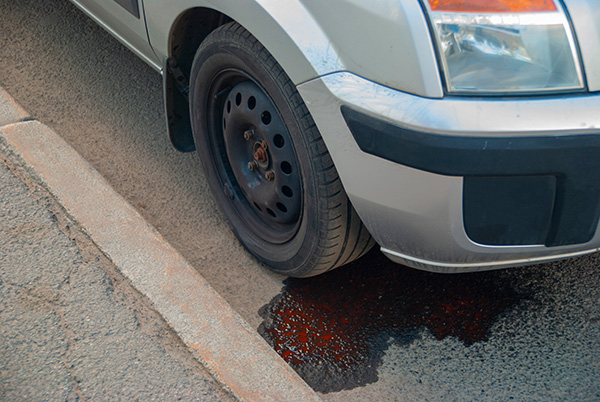
Coolant leaks almost never start with a dramatic puddle under the car. More often, it’s a slow loss you notice when the reservoir level keeps dropping, or a sweet smell that shows up after you park. The risky part is that an engine can run “mostly normal” right up until the moment it gets hot, and overheating is where costs jump fast.
Catching a small leak early usually means a straightforward repair and fewer surprises later.
Why A Small Coolant Leak Can Turn Serious
Your cooling system is pressurized when the engine warms up. Pressure helps raise the coolant’s boiling point and keeps heat moving out of the engine efficiently. When there’s a leak, pressure drops. That makes it easier for coolant to boil and create hot spots, especially in traffic or during longer drives.
Leaks also tend to grow. Rubber hoses soften, clamps lose tension, plastic housings develop hairline cracks, and the constant heat and cool cycle widens weak points. A seep that seems stable for weeks can suddenly become a bigger leak after one rough drive or temperature swing.
Early Coolant Leak Symptoms Drivers Commonly Notice
The early signs are usually subtle. If you catch them here, you’re ahead of the game.
- The coolant reservoir level drops over a few days or weeks
- A sweet smell after driving, especially when you park and heat rises
- Dampness or crusty residue around hose connections or plastic fittings
- Heater output that changes, warm while driving but cooler at idle
- A light haze or steam near the hood after a longer drive
If you’re adding coolant more than once, that is already a symptom. Coolant doesn’t get used up. It leaks, evaporates, or in rarer cases, gets consumed internally.
Where Coolant Leaks Hide When You Don’t See Drips
A lot of leaks never hit the driveway. Coolant can drip onto a hot engine surface and evaporate, leaving behind a chalky film. It can also collect on undercovers and splash shields, then drip from the lowest point later, which makes the leak look like it’s coming from somewhere else.
Some leaks only show up under pressure. When the engine is cold, everything contracts, and the system may look dry. Once it warms up and pressure builds, the leak appears. That’s why a quick glance in the morning can miss the problem entirely.
Common Leak Sources And What They Usually Look Like
Different leak points tend to leave different clues. Radiators often seep at the end tanks or seams, and you may see staining or dampness along the edges. Hoses commonly leak at clamps or where the hose has swollen near the connection. Thermostat housings and coolant crossovers, often plastic on many engines, can crack and leak when hot.
Water pump leaks sometimes show up as a wet area near the front of the engine, and on many pumps, there’s a weep hole that starts leaking as the seal wears. A weak pressure cap can also cause coolant loss by letting vapor escape or by failing to hold pressure, which can contribute to temperature fluctuations.
Owner Mistakes That Make Cooling Problems Worse
A common mistake is topping off coolant and assuming that solves it. If the level is dropping, the leak is still there. Another issue is mixing coolant types or using straight water for too long. That can reduce corrosion protection and create deposits that clog passages.
It’s also easy to ignore a heater that suddenly feels less consistent. People assume it’s a blend door issue, but low coolant can reduce heater performance because the heater core isn’t getting a steady flow. That early clue can show up before the engine temperature gauge moves.
A Practical Plan To Catch A Leak Before Overheating
If you suspect a leak, keep an eye on the coolant level in a consistent way. Check it only when the engine is cold, and ideally parked in the same spot, so your readings aren’t misleading. Look for crusty residue around hose connections and plastic housings, and pay attention to any sweet smell after driving.
To actually find the source, a pressure test is one of the quickest methods because it brings the system up to operating pressure without needing a long drive. Dye can help when the leak is intermittent and only shows up once in a while. We also check the pressure cap, because a weak cap can let pressure escape and create confusing symptoms that look like a bigger problem than they are.
Get Coolant Leak Service in Bexley, OH with Bexley Automotive
If you’re smelling coolant, noticing the level dropping, or seeing early signs of seepage, it’s worth locating the source before overheating starts. We can test the cooling system, pinpoint where it’s losing coolant, and lay out the repair options clearly.
Get coolant leak service in Bexley, OH with Bexley Automotive, and we’ll help you keep your engine running at the right temperature without surprises.